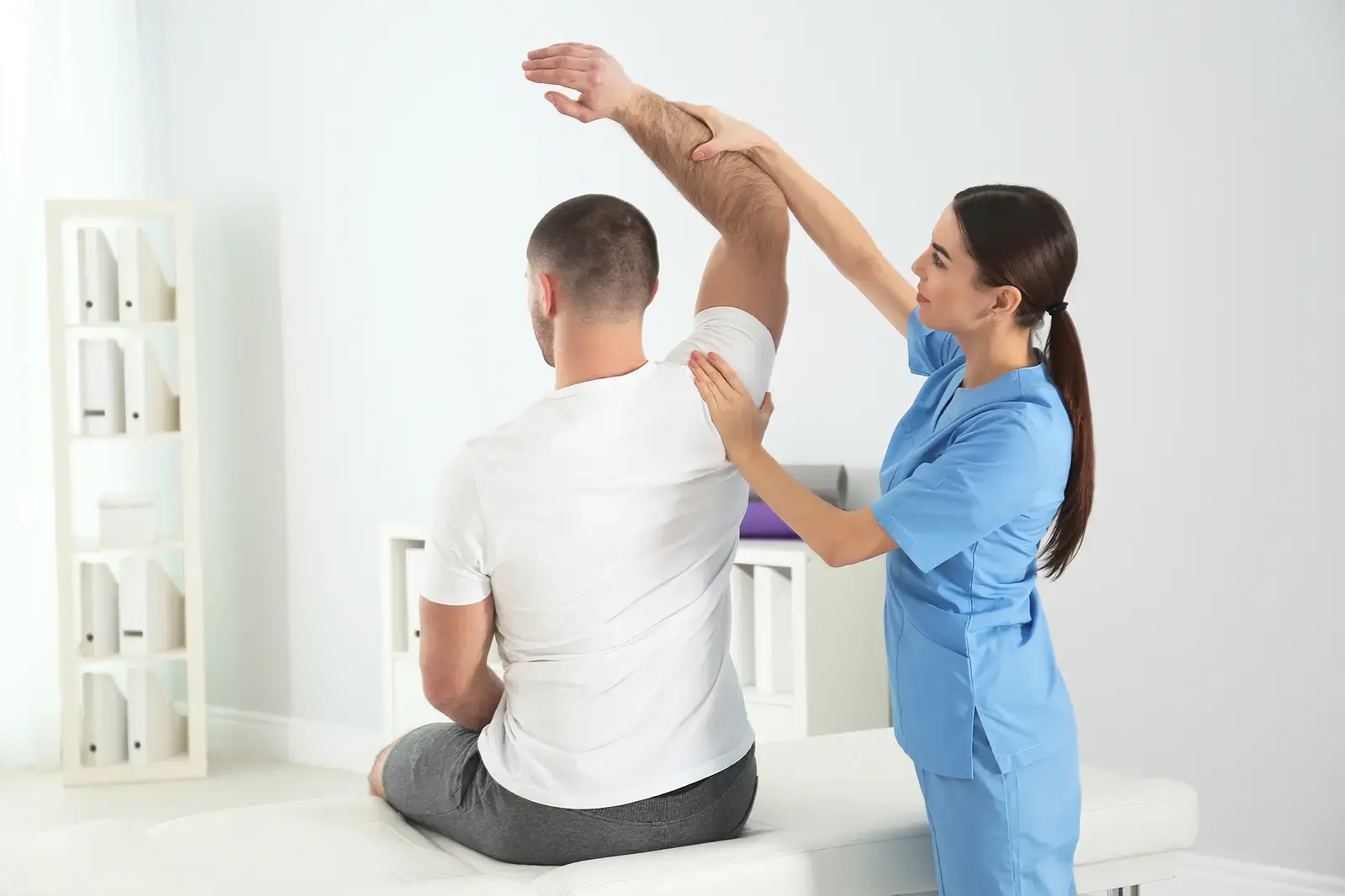
What you'll learn
GDA Nursing Course – Course Description
🩺 What Is the GDA Nursing Course?
The General Duty Assistant (GDA) Nursing Course is a short-term vocational healthcare training program designed to equip learners with essential skills to assist nurses and healthcare teams in patient care. Graduates are prepared to work as nursing aides / patient care assistants in hospitals, clinics, nursing homes, rehabilitation centres, and home healthcare settings.
🧠 Objective
The main goal of the GDA Nursing Course is to teach foundational healthcare support skills — including basic nursing care, patient hygiene, safety protocols, and communication — so that trainees can competently help maintain patient comfort, well-being, and daily care under supervision.
📋 Core Components of the Course
1. Theory & Classroom Training
- Introduction to healthcare systems and the role of a GDA
- Basic human anatomy & physiology
- Patient hygiene and daily care routines
- Infection prevention and control
- Emergency first-aid and Basic Life Support (BLS)
- Medical waste management
- Communication & soft skills for patient interaction”
2. Practical / Hands-On Training
- Hospital rotations or on-job training in real healthcare environments
- Patient handling: bathing, dressing, feeding, mobility assistance
- Measuring and recording vital signs
- Assisting nurses with basic procedures and care plans
- Maintaining cleanliness and safety in patient areas
- Reporting patient condition changes to healthcare staff
📅 Duration & Structure
- Typically 4 – 6 months (varies by institute)
- Combines classroom theory + practical training + on-job experience
- Certificate awarded upon successful completion and assessment
🎓 Eligibility
- Commonly 10th pass (or sometimes 8th pass depending on institute)
- Age requirements may vary (often 17–35 years depending on provider)
💼 Skills You’ll Gain
Graduates acquire competencies such as:
- Basic patient care and hygiene support
- Safe handling and transfer of patients
- Infection control practices
- First-aid and emergency response
- Professional communication within healthcare teams
- Maintenance of patient comfort and safety
🩹 Career Opportunities
After completing the course, you can pursue roles such as:
- General Duty Assistant (GDA)
- Patient Care Assistant / Nursing Aide
- Hospital Attendant
- Home Care Assistant / Caregiver
- Support Staff in clinics and rehabilitation centres
Show More
Course Syllabus
📋 GDA Nursing Course – Syllabus (Core Subjects & Modules)
🧠 1. Introduction to Healthcare
- Overview of healthcare systems and facilities
- Roles and responsibilities of a General Duty Assistant
- Healthcare terminology and professional ethics
🧍♂️ 2. Human Anatomy & Physiology (Basic)
- Structure and function of major body systems
- Understanding vital signs (blood pressure, pulse, respiration, temperature)
- Body mechanics and patient positioning
🧼 3. Patient Hygiene & Daily Care
- Bathing and grooming patients
- Assisting with dressing and feeding
- Personal hygiene maintenance
- Skin care, including for radiotherapy & pressure sores
🏥 4. Basic Nursing Skills
- Understanding basic nursing procedures
- Supporting medication administration (as per instruction)
- Assisting nurses during care plans and routine procedures
- Measuring and recording vital signs
🩹 5. Emergency Care & First Aid
- Emergency first-aid essentials
- CPR (Cardiopulmonary Resuscitation) basics
- Response to falls and urgent situations
🧪 6. Infection Control & Safety
- Infection prevention and control best practices
- Hospital safety protocols
- Biomedical waste management and disposal procedures
🚑 7. Patient Handling & Mobility Support
- Safe lifting, transferring, and positioning of patients
- Use of mobility aids (where applicable)
- Fall prevention techniques
🧑🤝🧑 8. Communication & Soft Skills
- Appropriate communication with patients
- Coordinating with nurses, doctors, and healthcare staff
- Professional behaviour and patient empathy
🛠️ 9. Practical / Hands-On Training
Most GDA programs include real-world practice such as:
- Hospital rotations or on-job training
- Bed-making, patient transfer drills
- Monitoring and documenting patient care
- Participating in daily ward activities
📆 Typical Training Structure
- Theory classes: Basics of nursing care and health concepts
- Practical labs: Skills in patient handling, hygiene, and safety
- On-job training: Real-world supervised experience in healthcare settings (hospitals, clinics, care homes)
📌 What You Learn by the End
Graduates are equipped to:
✔ Assist nurses in basic patient care
✔ Handle hygiene and comfort needs of patients
✔ Monitor vital signs and support clinical tasks
✔ Follow safety and infection control standards
✔ Communicate effectively in healthcare teams
 Bestseller